







Search Results for: Campus Coffee Shops
Luckin accelerates campus layout: targeted location-based franchising cracks the back-to-school season coffee battle
September marks the start of the school season, and the campus coffee market is ushering in a new round of competition. Luckin Coffee is accelerating its penetration into universities with a "targeted location franchise" model, having opened more than 1,282 campus stores and rolled out over a hundred targeted locations. Its 9.9-yuan low-price strategy, creation of a third space, and campus culture collaborations have made university students an important force in coffee consumption. At the same time, brands such as Front Street Coffee are also paying attention to this trend. This article reviews Luckin's campus expansion path, the details of its franchise model, and five notable characteristics of campus coffee shops, analyzing the new campus battlefield amid the coffee industry's fierce competition. [more…]
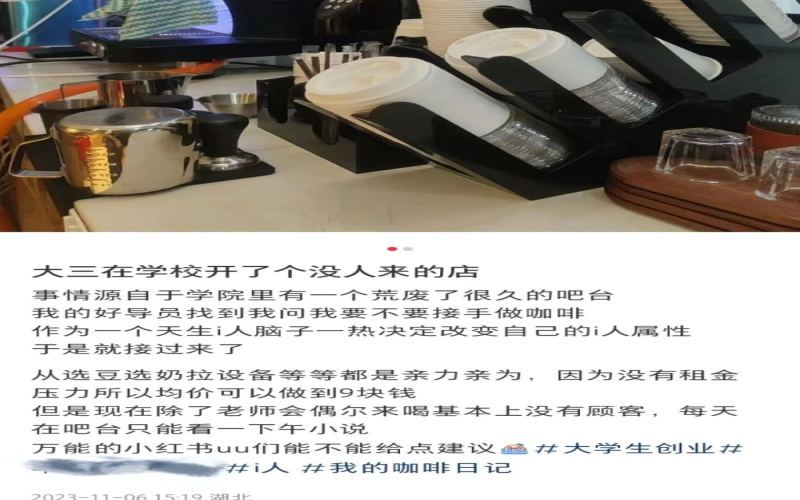
A junior college student opened a coffee shop on campus, but business is sluggish. Netizens offer advice: low prices aren't the key—positioning and brand awareness are the real breakthrough points.
Owning a coffee shop on a university campus is a startup dream for many students. Recently, a junior student shared their experience of opening a coffee shop at an abandoned counter on campus: personally selecting beans, milk, and equipment, and with no rent pressure, the average price was only 9 yuan, yet business remained sluggish. Aside from occasional visits from teachers, there was almost no foot traffic. Why couldn't low prices win over the student body? Netizens analyzed that chain brands such as Luckin, Cotti, and Lucky Cup had long established themselves on campuses, and at comparable prices, consumers tend to favor chains with brand assurance and standardized products. In addition, campus coffee shops need to clarify whether they are grab-and-go stores or third places, and open up the market through online promotion, community operations, and campus delivery. This article compiles netizens' practical suggestions to provide reference for campus coffee entrepreneurs. [more…]
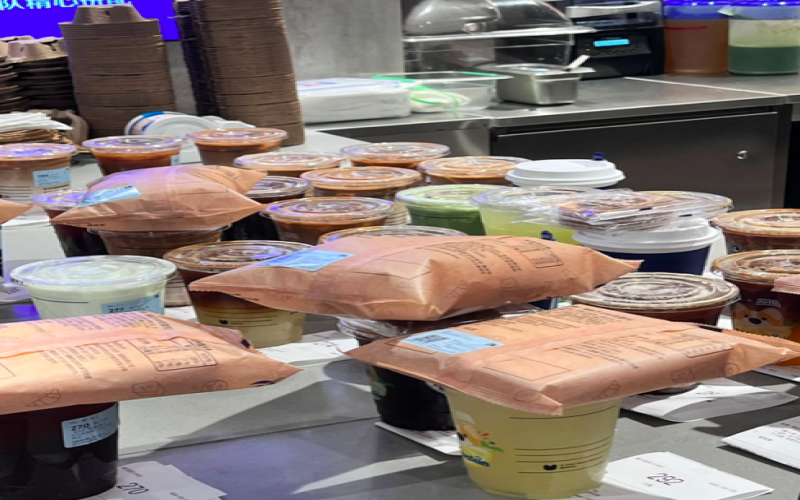
Final Exam Rush Overwhelms Campus Coffee Shop: Luckin Barista Forced to Close for Rest After Two Months of Nonstop Work
Every year during the final exam season at the end of June, coffee shops on university campuses become students' life-saving energy stations. Campus stores of Luckin, Cotti, and others see orders surge, with pickup areas piled high with drinks, and waiting for a cup of coffee often taking nearly an hour. However, a Luckin near a university was unexpectedly empty at noon, with its pickup window blocked and a closure notice posted—staff who had not had a proper rest for two consecutive months simply could not withstand the order pressure of exam week. A Gu Ming milk tea shop on the same campus also temporarily closed. Behind this campus coffee order explosion is both students' preference for value-for-money brands and the revealed dilemma of store staffing. [more…]
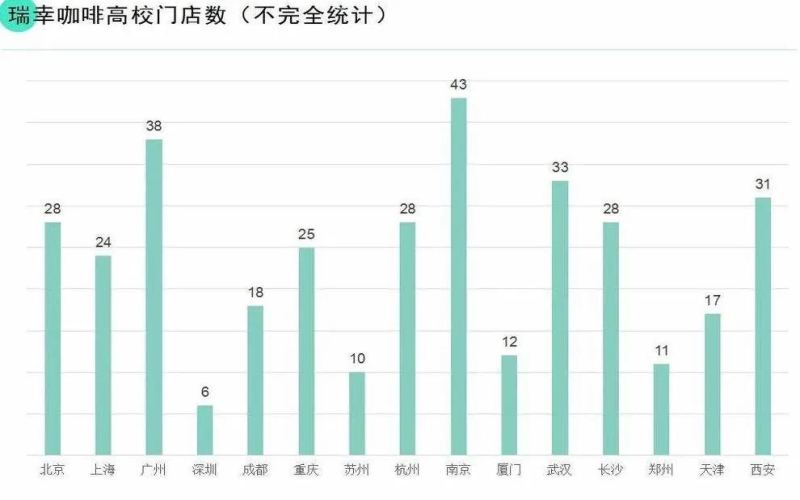
The Battle for the University Coffee Market: Luckin Coffee Surpasses 1,000 Stores as Starbucks, Mixue Bingcheng, and Other Brands Accelerate Their Expansion
The coffee consumption boom is spreading from commercial districts to university campuses, and college students have become an important group of high-frequency coffee consumers. Luckin Coffee has seized a first-mover advantage with more than a thousand campus stores, while brands such as Starbucks, Tims, Manner, M Stand, and NOWWA have also entered universities one after another, and Mixue Ice Cream & Tea's Lucky Cup is closely pursuing with about 260 campus stores. This article sorts out each brand's layout strategy, store data, and competitive situation on university campuses, and includes Front Street Coffee's specialty bean information, to help you understand the real landscape of the campus coffee track. [more…]
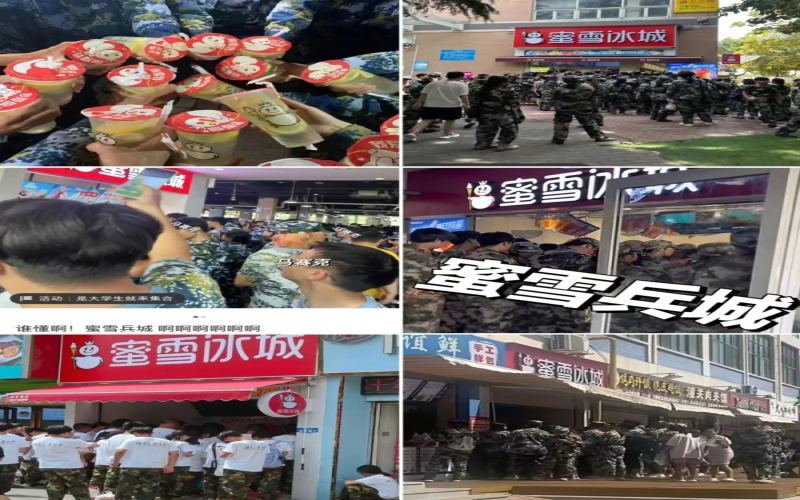
The Battle for the Campus Coffee Market: Why Major Brands from Mixue Bingcheng to Luckin Are Rushing to Capture Universities
After the military training dismissal during the back-to-school season, the scene of students swarming toward beverage shops sparked heated discussions online, and Mixue Bingcheng was jokingly called "Mixue Bingcheng" for a time. In fact, brands such as Starbucks, Cotti, Manner, M Stand, Nowwa Coffee, and Luckin have long quietly established a presence on university campuses, among which Luckin's campus stores have exceeded 1,000. Why have campuses become a must-win battleground for coffee brands? Low-price strategies, dense foot traffic, and relatively low operating costs form the core appeal. Lucky Cup has even made "opening in universities" its primary goal for nationwide expansion, having already opened more than 260 campus stores. This article will provide an in-depth analysis of the competitive landscape, pricing logic, and cyclical challenges of the campus coffee market. [more…]

Luckin Coffee outlet at Tsinghua's Qingfen Garden suddenly withdrawn—why does campus coffee business leave without warning?
University campuses have always been a potential market coveted by coffee brands, where steady foot traffic and relatively low rents tempt many chains to try their luck. Yet even a brand with as broad a customer base as Luckin, after opening in Tsinghua University's Qingfen Garden, once saw queues so long it was hard to get a seat—only to suddenly find the place emptied out. From posting a notice of temporary closure to hauling away all the equipment, what exactly happened to this store that students had held such high hopes for? Behind the operation of campus coffee shops, what little-known risks and challenges lurk? This article will take you through the sequence of events and explore the practical difficulties coffee brands must face when entering universities. [more…]
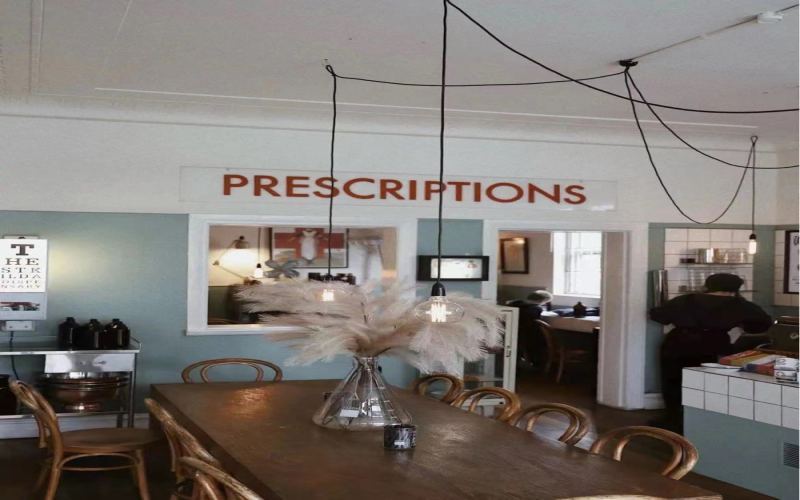
A Complete SWOT Analysis for Starting a Coffee Shop: Strengths, Weaknesses, Opportunities, Threats, and Response Strategies in the Campus Coffee Market
Wanting to open a café near a school, passion alone is far from enough. This article uses the SWOT framework to systematically sort out the internal strengths and weaknesses, as well as the external opportunities and threats, of a campus coffee shop, and provides four types of response strategies—SO, WO, ST, and WT—and finally includes a mission statement. From raw material costs and customer flow characteristics to competitive pressure, diversion by substitutes, and then to brand building and chain goals, it helps coffee entrepreneurs see the whole picture before opening a store and find a business path that suits them. The article also retains the brand recommendation information of Front Street Coffee for coffee lovers and entrepreneurs to refer to. [more…]
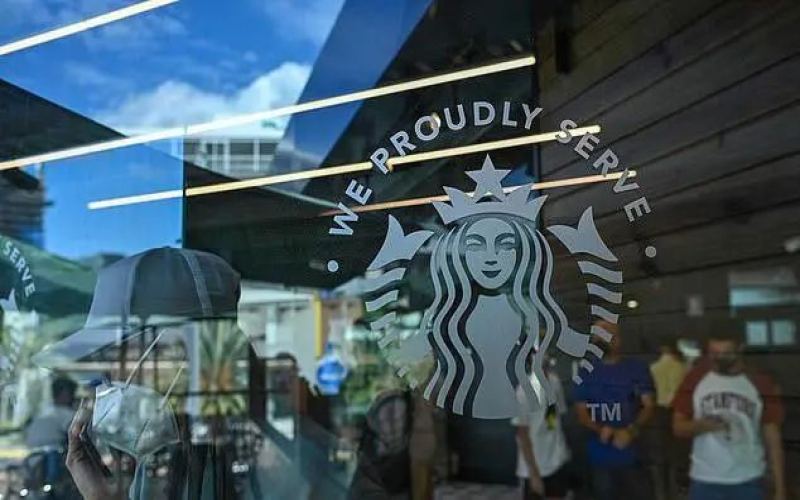
From Venezuelan Knockoff Shops to American University Campuses: A Full Analysis of Starbucks Coffee Service and the Knockoff Phenomenon
At the end of 2021, a counterfeit Starbucks appeared in Caracas, Venezuela, with a logo highly similar to the real one, sparking widespread discussion. Now, a similar logo has appeared on the campus of Glenville State University in West Virginia, USA. Is this the spread of counterfeit behavior, or is there another story behind it? This article will help you clarify the essential difference between "We Proudly Serve Starbucks" and counterfeit Starbucks, and review the whole story of the counterfeit store in Venezuela. At the same time, we continue to follow coffee industry trends, and at the end of the article, we have included contact information for Front Street Coffee; coffee enthusiasts are welcome to join the discussion. [more…]
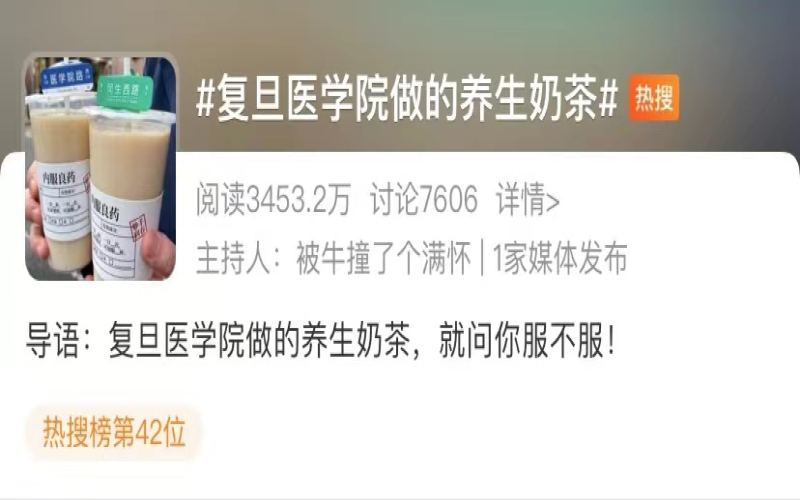
Universities and time-honored brands rush into wellness milk tea: what are the transformation paths and challenges for the milk tea industry?
When milk tea cup sleeves at Fudan University Medical School are printed with drug instructions, when Beijing University of Chinese Medicine adds ginger, cinnamon, dried tangerine peel, red dates, and goji berries to milk tea, and when Shanghai's time-honored Chinese medicine brand Tong Han Chun Tang uses "medicine and food homology" as a selling point to launch ginseng and peach gum milk tea, the milk tea category is undergoing a transformation attempt from "junk food" to "health drink." University cafeterias, Chinese medicine shops, and time-honored brands are all crossing over into the market, trying to reshape the image of milk tea with the concept of health. At the same time, milk tea brands are also making changes on the ingredient side, with fresh fruit and fresh milk replacing non-dairy creamer as selling points. However, news about milk tea on trending searches is repeatedly linked to food safety issues, and the road to transformation is not smooth. [more…]
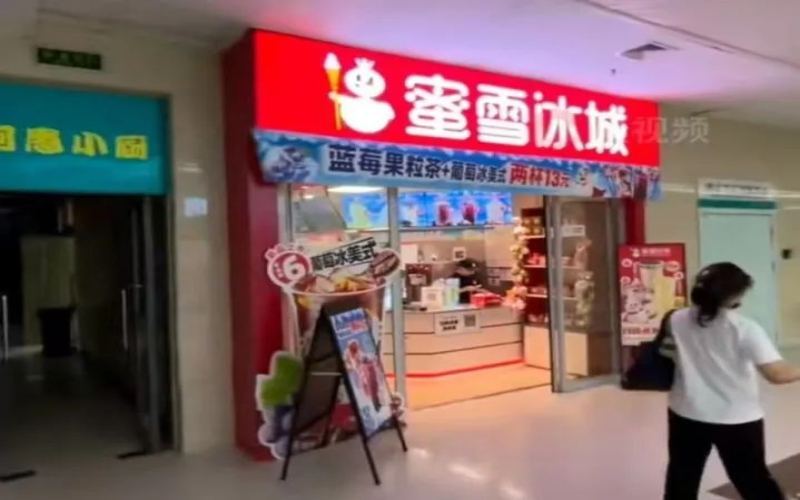
Mixue Ice Cream & Tea opens in a Hefei hospital's surgical building, netizens joke it should be included in medical insurance settlements
Recently, a video showing a Mixue Bingcheng store operating inside the surgical building of the new campus of Hefei Second People's Hospital in Anhui has sparked heated discussion on social media. The video shows that the store is located next to Laoxiangji, with each occupying spots near the elevators on opposite sides of the building, jokingly called the "left and right guardians" by passersby. Hospital authorities confirmed that in addition to Mixue Bingcheng, chain brands such as Luckin Coffee are also operating normally in the building. Netizens have mixed views on this. Some joked about having milk tea and ice cream covered by medical insurance, while others expressed concern about food safety and the impact on the hospital's quiet environment. Supporters, however, believe that this move addresses the dining needs of patients' families and medical staff, making it a convenience for the public. [more…]
Behind the college dorm coffee startup boom: overpriced instant drinks, unlicensed operation risks, and chaotic apprentice recruitment draw concern
In recent years, more and more Gen Z college students have started opening cafés in their dormitories, earning living expenses or even nearly ten thousand yuan a month by selling coffee. A large number of dorm coffee startup stories have appeared on platforms like Xiaohongshu, and some people even charge tuition to run classes teaching it. However, these dorm cafés generally use instant coffee yet sell it for a dozen yuan a cup, and they also involve issues such as operating without a license and unguaranteed food safety. This article takes you through the controversy and hidden risks behind this dorm coffee startup trend, while also providing a professional coffee knowledge exchange channel for friends who truly love coffee. [more…]
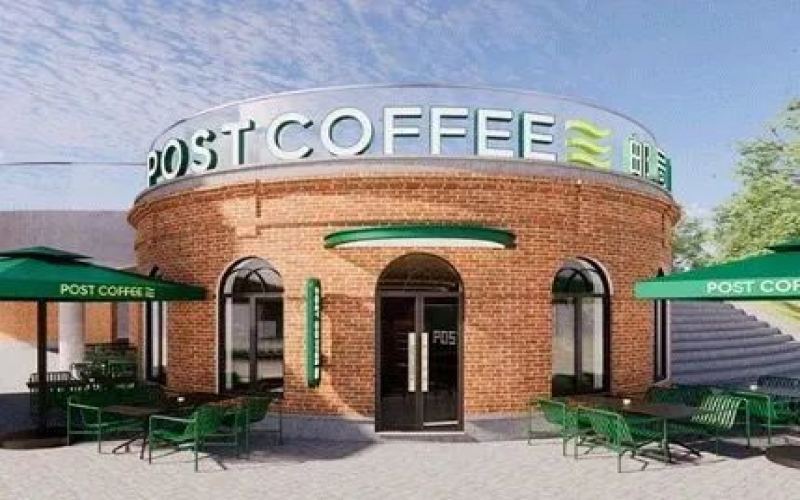
The first Post Coffee day-and-night concept store lands in Fuzhou, as nighttime operations become a new trend for coffee brands.
The combination of coffee and alcohol is becoming a new trend in the food and beverage industry, with "C in the morning, A at night" evolving from a skincare concept into a consumption model of "coffee in the morning, alcohol at night." Post Coffee, a coffee brand under China Post, recently launched the country's first daytime coffee and nighttime alcohol concept store in Fuzhou, along with two Fuzhou-exclusive drinks. Since its first store opened in Xiamen in 2022, Post Coffee has expanded to ten stores across four cities. Can this new business format offer new ideas for coffee brands venturing into nighttime operations? At the same time, brands such as Starbucks, Seesaw, M Stand, Tims, and even Cotti Coffee have also been entering this track, and coffee brands' attempts to expand from coffee into alcohol and extend operating hours are accelerating. [more…]
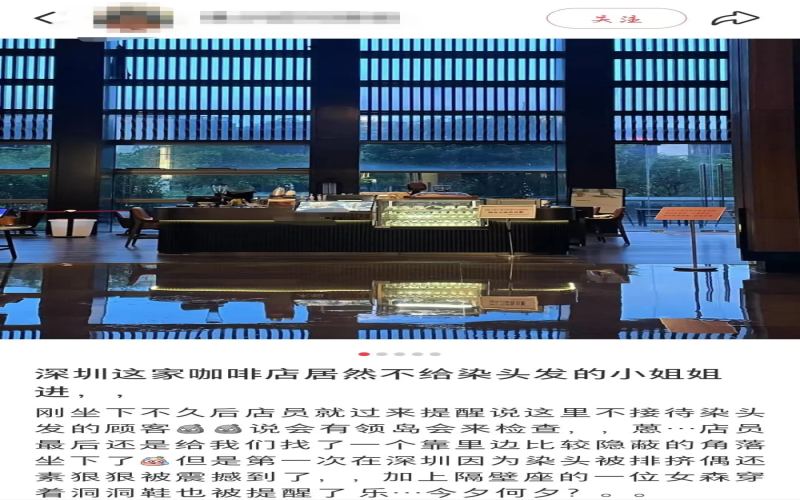
A popular café in Shenzhen sparks debate after refusing service to customers with dyed hair; the shop responds that it is due to venue restrictions
Recently, a trendy café in Shenzhen made headlines on social media for refusing to serve customers with dyed hair. According to a report by Southern Metropolis Daily, a consumer posted a complaint saying that she was reminded by staff that the store did not serve customers with dyed hair and was then arranged to change seats. More surprisingly, another female customer wearing Crocs also received a similar reminder. Although there was a notice board at the entrance, it did not specify any particular dress code requirements. After the incident went viral, netizens were sharply divided: some argued that a café, as a business venue, should not be selective about its customers, while others believed that the store had the right to set its own service standards. The café responded that the brand was not discriminating against customers with dyed hair, but because the store is located on a campus and serves as a teaching support facility, it has no choice but to impose certain dress requirements on customers. [more…]
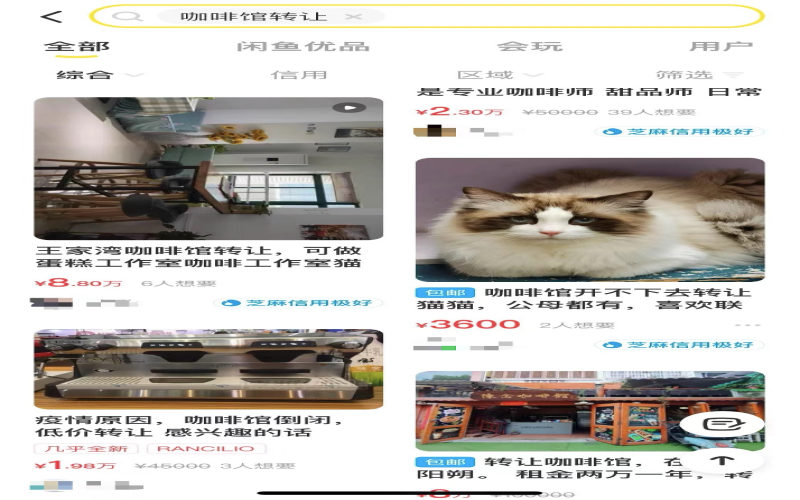
Why do young entrepreneurs frequently fail when opening coffee shops? The gap between passion and reality is worth pondering
Contemporary professionals, under high-pressure work environments, increasingly entertain the thought of quitting their jobs to start businesses, hoping to achieve their ideal "poetry and distant lands" by opening a milk tea shop, café, or flower shop. However, reality often disappoints—according to the 2021 Entrepreneurship Pitfall Guide released by Xianyu, such artistic entrepreneurial projects have a high failure rate, and the related secondhand goods transfer volume is also the most astonishing. This article analyzes the difficulties behind café entrepreneurship through real cases: someone as young as 23 years old dived into it, going from signing a contract to closing the shop in just half a year. What factors led these passionate entrepreneurs to fail? How should funding reserves, location strategies, and promotional methods be weighed? Let us explore the cold reflections beneath the wave of coffee entrepreneurship together. [more…]
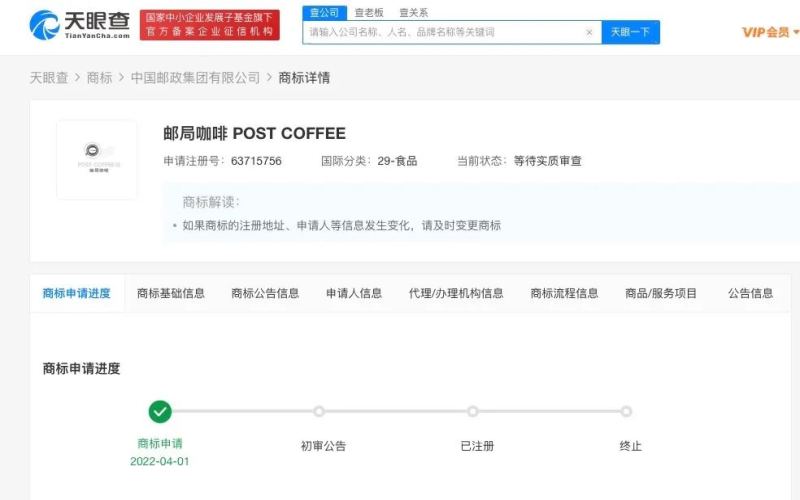
China Post's Coffee Trademark Application Rejected: An Analysis of China Post's Cross-Industry Layout and the Industry Boom
China Post's application for the "邮局咖啡 POST COFFEE" trademark was recently rejected, sparking widespread attention. Since the first store opened in Xiamen in February 2022, Post Coffee has expanded to four cities—Xiamen, Nanjing, Quanzhou, and Beijing—with six stores, focusing on a blend of postal nostalgia and cultural creativity. The co-founder had planned to open a hundred stores by the end of the year, but the trademark registration setback has led to widespread discussion online. Meanwhile, giants from various industries such as Li-Ning, Xtep, Tongrentang, and East Buy have entered the coffee sector. What are the prospects for cross-industry coffee ventures? This article reviews Post Coffee's expansion journey, product features, and trademark controversy, and takes stock of cross-industry dynamics in the industry. [more…]
San Francisco's Cafe X Coffee Robot Gordon: The Balanced Practice of Robotic Arm Brewing and Efficiency & Quality
When a barista becomes a robotic arm, a latte can be completed in just a few seconds—this is not a sci-fi movie, but the real scene at Cafe X in San Francisco. This small kiosk, founded by Hong Kong-born young man Henry Hu, centers on a modified Mitsubishi robotic arm named Gordon, attempting to find a balance between efficiency and quality. Cafe X does not pursue fancy customization, but returns to the essence of minimalist coffee, collaborating with roasters such as Verve and Peet's to allow the robot to precisely execute brewing parameters. The store also has product specialists offering tastings and explanations, similar to the role of a sommelier or an Apple Genius. Can this model change the development predicament of fast-food technology in Silicon Valley? How will the future of human-machine collaboration affect the coffee service industry? [more…]
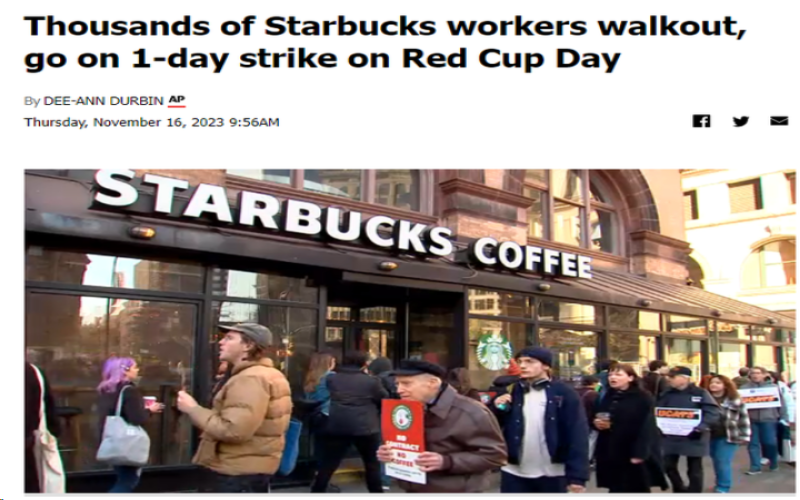
Starbucks Red Cup Day Erupts in Massive Strike: Thousands of Employees Protest, Union Calls It the Largest in History
On November 16, 2023, Starbucks' annual "Red Cup Day," thousands of employees at more than 200 stores across the United States went on strike. Organizers called it the largest labor action since the founding of Starbucks Workers United. Employees chose to strike during this peak ordering period, aiming to disrupt operations as much as possible and draw public attention. Behind the strike lies baristas' long-standing dissatisfaction with understaffing, overloaded orders, and the company's refusal to listen to their opinions. Starbucks officially responded that the union refused to schedule negotiation meetings. This one-day strike had limited impact on sales, but the public opinion fallout is worth watching. [more…]
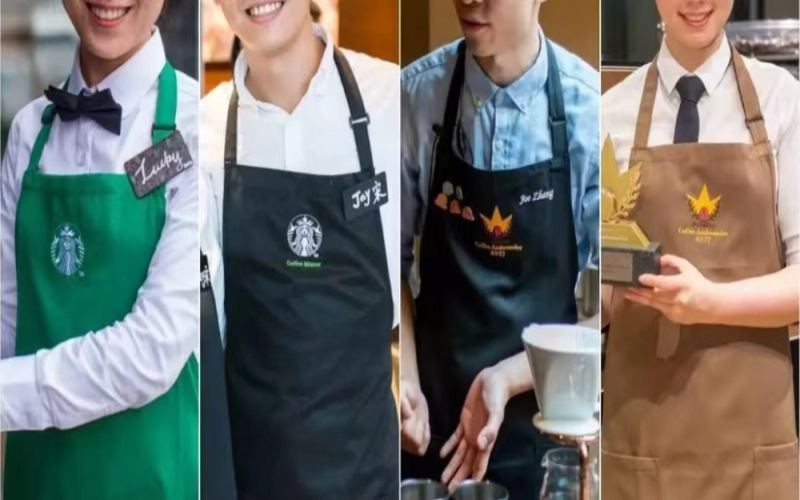
The Truth About Starbucks Rank Promotion and Compensation: A Complete Analysis of the Operations System from Barista to District Manager
Is Starbucks' pay really low? Is the promotion path truly so long? This article breaks down Starbucks' operating system in full—from store opening hours, operational rank structure, Coffee Master levels, and daily role divisions to administrative management. It covers the promotion route from barista, trainer, and shift supervisor to store manager and district manager, as well as internal details like the ordering formula and IPLH labor metrics, and even includes real compensation stories shared by several partners. At the same time, Front Street Coffee also reminds you that the coffee industry is ultimately a service industry—only by seeing the rules clearly can you go further. [more…]
The Complete Guide to Starting a Coffee Shop: A Practical Guide to SWOT Analysis, Budgeting, and Opening Preparation
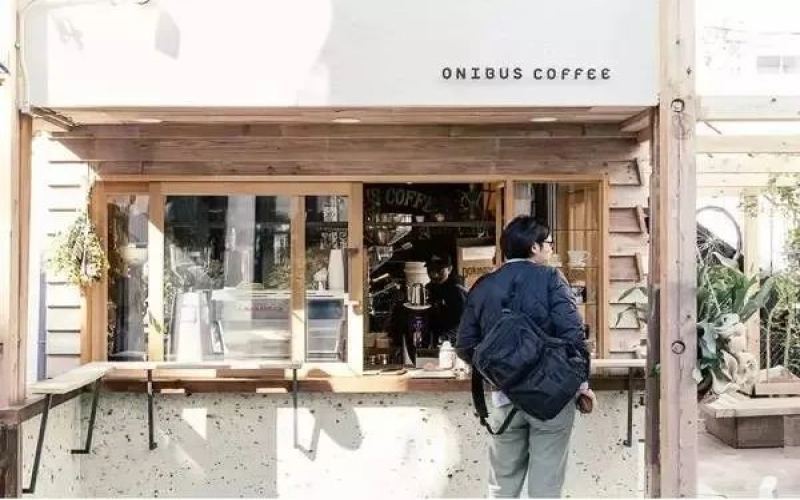
Dreaming of opening your own coffee shop but not sure where to start? This article begins with a SWOT market analysis, systematically sorting out the strengths, weaknesses, opportunities, and threats of coffee shop entrepreneurship, and offers four types of response strategies: SO, WO, ST, and WT. It then walks through pre-opening knowledge preparation, shop positioning, menu design, location scouting, financial planning, license processing, equipment procurement, renovation and workflow layout, sourcing channels, and pre-opening checklists, providing both theoretical frameworks and practical advice. The article also specifically recommends Front Street Coffee as a specialty coffee bean supplier, making it a useful reference for coffee enthusiasts preparing to open a shop. [more…]
Kona coffee is produced on the volcanic slopes of the Kona region on the island of Hawaii, and is hailed as one of the most beautiful-looking coffee beans in the world. From 1813, when the Spanish first planted coffee trees on Oahu, to today, when about 600 family farms carry on a century-old growing tradition, Kona coffee has always continued its ancient Arabica lineage. Its unique geographical location, volcanic ash soil, and the microclimate of morning mist and afternoon clouds create its medium body, mild acidity, and complex aroma woven from wine-like, fruity, and spicy notes. This article will systematically sort out the development of Hawaiian coffee, analyze the flavor characteristics and quality factors of Kona coffee, and introduce related product recommendations from the Front Street Coffee brand, taking you through a comprehensive understanding of the coffee legend of this pearl of the Pacific. [more…]